

DIY Roof Maintenance Tips for Durability: Essential Roof Maintenance Strategies
- fixallroofing
- Apr 13
- 3 min read
Maintaining a roof is crucial for protecting your home and extending its lifespan. A well-kept roof prevents leaks, structural damage, and costly repairs. I have gathered practical advice to help you keep your roof in top shape. These roof maintenance strategies are straightforward and effective. They empower you to take control of your roof’s health without waiting for problems to escalate.
Understanding Roof Maintenance Strategies
Roof maintenance is more than just fixing leaks. It involves regular inspections, cleaning, and minor repairs. These steps help identify issues early and prevent major damage. Start by checking your roof twice a year, ideally in spring and autumn. Look for missing or damaged shingles, cracked flashing, and signs of wear around chimneys and vents.
Cleaning gutters is another vital task. Blocked gutters cause water to back up and damage the roof edge. Remove leaves, twigs, and debris to ensure smooth water flow. Also, trim overhanging tree branches to prevent damage from falling limbs and reduce moss growth.
Key roof maintenance strategies include:
Regular inspections for damage and wear
Cleaning gutters and downspouts
Removing debris and moss from the roof surface
Checking and repairing flashing and seals
Ensuring proper attic ventilation to prevent moisture buildup
These steps help maintain your roof’s durability and performance over time.
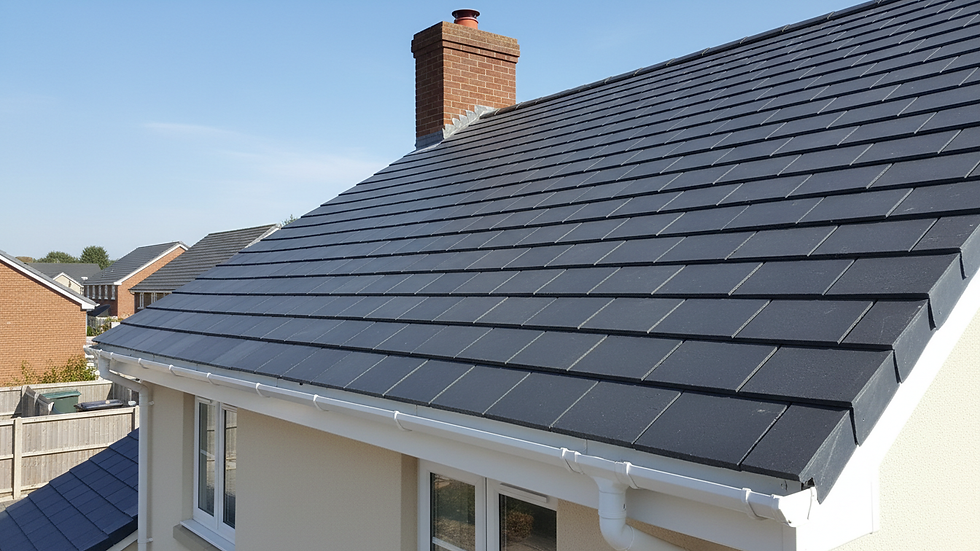
Keeping gutters clean prevents water damage and extends roof life.
Inspecting and Repairing Roof Damage
Spotting damage early saves money and hassle. When inspecting, focus on these common problem areas:
Shingles: Look for cracks, curling, or missing shingles. Damaged shingles expose the roof to water infiltration.
Flashing: Check around chimneys, vents, and skylights. Flashing seals these areas and prevents leaks.
Roof Valleys: These are prone to debris buildup and water pooling. Clear them regularly.
Attic: Inspect the attic for signs of leaks, such as water stains or mold.
If you find minor damage, repair it promptly. Replace missing shingles and reseal flashing with roofing cement. For moss or algae, use a gentle roof cleaner and a soft brush. Avoid pressure washing, which can damage shingles.
Safety tip: Always use a sturdy ladder and wear non-slip shoes. If the roof is steep or high, consider hiring a professional.

Inspect shingles regularly to catch damage early.
Can I Spray Roof Maxx Myself?
Roof Maxx is a treatment designed to extend the life of asphalt shingles by restoring their flexibility. It’s a spray-on product that penetrates the shingles and rejuvenates the oils lost over time. Many homeowners wonder if they can apply it themselves.
While the application process is straightforward, it requires proper equipment and safety precautions. You need a sprayer capable of delivering an even coat and protective gear to avoid inhaling chemicals. Also, the roof must be clean and dry before application.
If you are comfortable working on your roof and have the right tools, you can spray Roof Maxx yourself. However, improper application can reduce effectiveness or cause damage. For best results, consider professional application. They have experience and equipment to ensure even coverage and safety.
Seasonal Roof Care Tips
Each season brings unique challenges for your roof. Adjust your maintenance routine accordingly:
Spring: After winter, check for ice dam damage and clean gutters. Remove moss and debris accumulated over winter.
Summer: Inspect for sun damage and cracked shingles. Ensure attic ventilation is adequate to prevent heat buildup.
Autumn: Clear fallen leaves and branches. Check flashing and seals before winter storms.
Winter: Remove heavy snow buildup carefully to avoid structural stress. Avoid walking on icy roofs.
Regular seasonal care prevents small issues from becoming costly repairs.
Practical DIY Roof Maintenance Tips for Longevity
I recommend incorporating these practical steps into your routine. They are simple but effective ways to extend your roof’s life:
Keep gutters clean: Blocked gutters cause water damage. Clean them at least twice a year.
Trim trees: Overhanging branches can damage shingles and promote moss growth.
Remove moss and algae: Use a roof-safe cleaner and a soft brush. Avoid harsh chemicals.
Check attic ventilation: Proper airflow reduces moisture and heat buildup.
Inspect after storms: Look for missing shingles or damage caused by wind and hail.
Seal flashing and joints: Use roofing cement to fix small leaks.
Schedule professional inspections: Even with DIY care, a yearly professional checkup is wise.
For more detailed guidance, explore diy roof maintenance tips to help you maintain your roof effectively.
Maintaining your roof is a manageable task with the right knowledge and tools. By following these roof maintenance strategies, you protect your investment and avoid costly repairs. Regular care keeps your roof durable and your home safe for years to come.


Comments