

Essential DIY Tips for Roof Maintenance - Your Roof Maintenance Guide
- fixallroofing
- Jul 8
- 4 min read
Maintaining your roof is crucial to protect your home from weather damage and costly repairs. A well-kept roof extends its lifespan and keeps your property safe. I will share practical advice and clear steps to help you care for your roof effectively. This guide is designed to be straightforward and actionable, perfect for anyone ready to take control of their roof’s condition.
Understanding Your Roof Maintenance Guide
Knowing the basics of roof maintenance is the first step. Roofs face constant exposure to sun, rain, wind, and debris. Over time, these elements cause wear and tear. Regular inspections and upkeep prevent minor issues from becoming major problems.
Start by identifying your roof type. Common types include asphalt shingles, metal, tile, and flat roofs. Each requires specific care. For example, asphalt shingles need debris removal and checking for cracked or missing shingles. Metal roofs benefit from rust prevention and sealant checks.
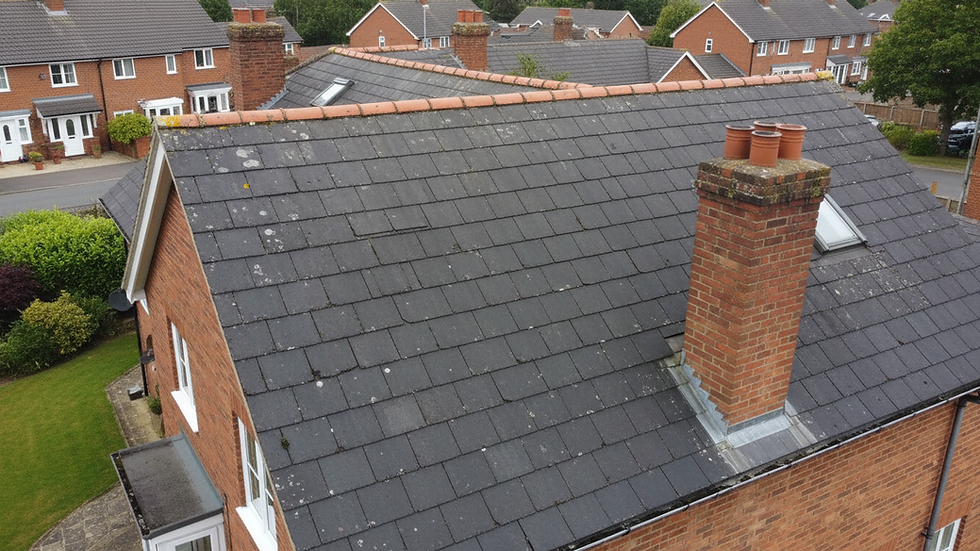
Schedule roof inspections twice a year, ideally in spring and autumn. After storms, check for damage immediately. Use binoculars for a close look if climbing is unsafe. Look for:
Missing or broken shingles
Damaged flashing around chimneys and vents
Signs of moss or algae growth
Clogged gutters and downspouts
Regular maintenance saves money and prevents leaks.
Practical Roof Maintenance Guide for Homeowners
Taking care of your roof yourself is possible with the right approach. Here are essential steps to follow:
Clean Gutters and Downspouts
Blocked gutters cause water to back up and damage the roof edge. Remove leaves, twigs, and dirt regularly. Use a sturdy ladder and gloves. Flush gutters with water to ensure proper flow.
Remove Debris from the Roof Surface
Leaves, branches, and dirt trap moisture and cause decay. Use a soft broom or blower to clear debris gently. Avoid pressure washing as it can damage shingles.
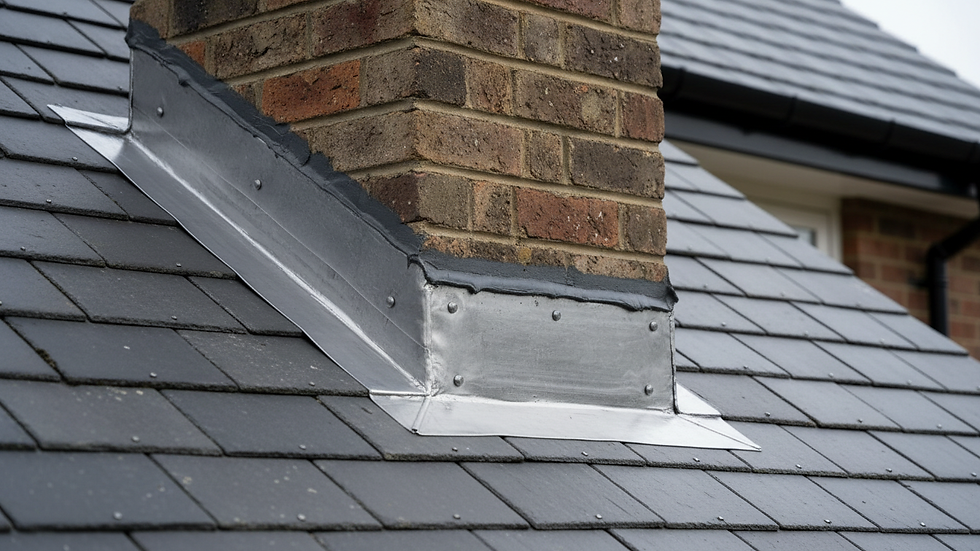
Check and Repair Flashing
Flashing seals roof joints and prevents leaks. Inspect around chimneys, vents, and skylights. Replace or reseal damaged flashing with roofing cement or metal patches.
Trim Overhanging Branches
Branches rubbing against the roof can damage shingles and provide a pathway for pests. Trim them back to maintain clearance.
Address Moss and Algae Growth
Moss retains moisture and damages roofing materials. Use a moss killer designed for roofs or a mixture of water and bleach (50/50). Apply carefully and rinse after 15 minutes.
Inspect Attic Ventilation and Insulation
Proper ventilation prevents heat and moisture buildup, which can warp roofing materials. Check attic vents and insulation for blockages or damage.
Replace Damaged Shingles Promptly
Damaged shingles compromise roof integrity. Remove broken shingles carefully and nail new ones in place. Match the color and type for a seamless look.
By following these steps, you can maintain your roof’s health and avoid costly repairs.
What are common roof cleaning mistakes?
Cleaning your roof is necessary but can be tricky. Avoid these common errors to protect your roof:
Using High-Pressure Washers
High pressure can strip granules from shingles, reducing their lifespan. Always opt for gentle cleaning methods.
Ignoring Safety Precautions
Roof work is risky. Use proper ladders, wear non-slip shoes, and consider a safety harness. Never work on a wet or icy roof.
Applying Harsh Chemicals
Avoid bleach or strong chemicals that can damage roofing materials and harm plants around your home. Use roof-safe cleaning solutions.
Neglecting Regular Cleaning
Waiting too long between cleanings allows moss and debris to build up, making removal harder and more damaging.
Failing to Inspect After Cleaning
Always check for damage after cleaning. Cleaning can reveal hidden issues that need immediate attention.
Avoiding these mistakes ensures your cleaning efforts protect rather than harm your roof.
Seasonal Roof Maintenance Tips
Different seasons bring unique challenges. Tailor your maintenance to the time of year:
Spring
Clear winter debris and check for storm damage. Clean gutters and inspect flashing. Prepare for spring rains by ensuring water flows freely.
Summer
Inspect for sun damage and cracked shingles. Trim trees to prevent shade that encourages moss growth. Check attic ventilation to reduce heat buildup.
Autumn
Remove fallen leaves and clean gutters before winter. Inspect for loose shingles and repair them. Prepare for snow and ice by sealing any gaps.
Winter
Remove snow buildup carefully to prevent ice dams. Use a roof rake with a long handle. Avoid climbing on icy roofs. Check attic insulation to prevent heat loss.
Seasonal care keeps your roof ready for weather changes and extends its life.
When to Call a Professional
While many tasks are DIY-friendly, some situations require expert help:
Extensive damage after storms
Large leaks or water stains inside the home
Structural issues like sagging or rot
Complex repairs involving multiple roofing layers
Installation of new roofing materials
If you are unsure or uncomfortable with any task, it is safer and more effective to hire a professional. They have the tools and experience to handle difficult repairs safely.
For those interested in learning more about diy roof maintenance tips, this resource offers detailed guidance to help you maintain your roof confidently.
Keeping Your Roof in Top Shape Year-Round
Regular roof maintenance is an investment in your home’s future. By following this roof maintenance guide, you can prevent damage, save money, and enjoy peace of mind. Remember to inspect, clean, and repair your roof regularly. Use safe methods and know when to seek professional help.
A well-maintained roof protects your home and enhances its value. Start today with simple steps and keep your roof strong for years to come.


Comments