

Essential DIY Tips for Roof Maintenance - Your Roof Maintenance Guide
- fixallroofing
- Jul 8
- 3 min read
Maintaining your roof is crucial to protect your home from weather damage and costly repairs. A well-kept roof extends its lifespan and keeps your property safe. I will share practical advice and clear steps to help you care for your roof effectively. This guide is designed to be straightforward and actionable, so you can confidently handle basic roof maintenance tasks yourself.
Understanding Your Roof Maintenance Guide
Knowing your roof’s structure and materials is the first step in proper maintenance. Different roofs require different care. For example, asphalt shingles need regular inspection for cracks or missing pieces, while tile roofs require checking for broken or loose tiles.
Start by inspecting your roof twice a year, ideally in spring and autumn. Look for signs of wear such as:
Cracked or curled shingles
Missing granules on shingles
Damaged flashing around chimneys or vents
Moss or algae growth
Debris accumulation in gutters
Regular inspections help catch small problems before they become expensive repairs. Use binoculars for a safe, detailed view if you cannot climb onto the roof.
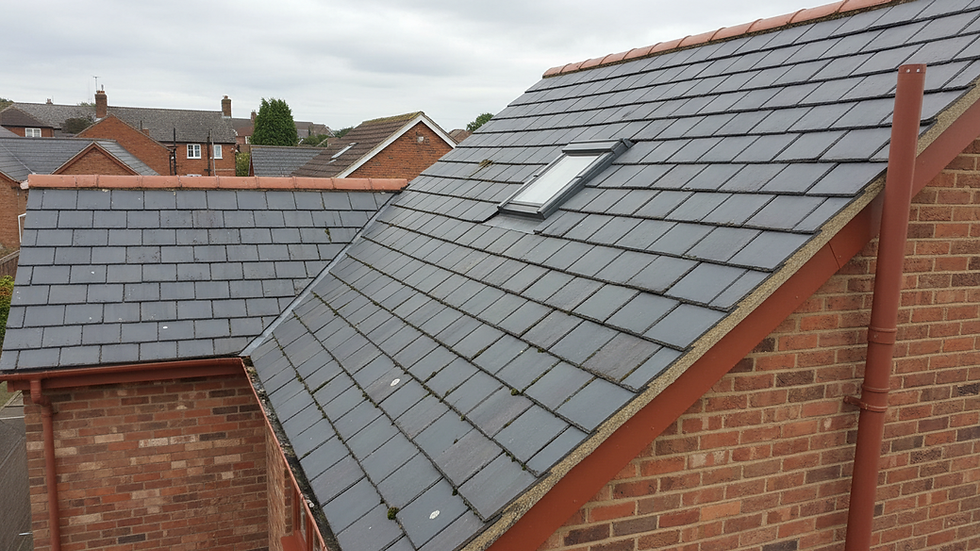
Essential DIY Roof Maintenance Tips
I recommend following these simple steps to keep your roof in top shape:
Clean Gutters and Downspouts
Blocked gutters cause water to back up and damage your roof edges. Remove leaves, twigs, and dirt regularly. Use a sturdy ladder and gloves for safety.
Trim Overhanging Branches
Branches rubbing against your roof can damage shingles and provide a pathway for pests. Trim them back to prevent damage and reduce debris.
Remove Moss and Algae
Moss retains moisture, which can rot roofing materials. Use a moss removal solution or a mixture of water and bleach (50/50) applied carefully. Avoid pressure washing as it can damage shingles.
Check and Repair Flashing
Flashing seals roof joints and prevents leaks. Look for rust, cracks, or loose sections. Seal small gaps with roofing cement or replace damaged flashing.
Replace Damaged Shingles
If you spot cracked or missing shingles, replace them promptly. Lift the surrounding shingles gently, remove nails, slide out the damaged shingle, and nail in a new one.
Inspect Attic Ventilation
Proper ventilation prevents heat and moisture buildup, which can damage your roof from underneath. Check for blocked vents and clear any obstructions.
Seal Roof Penetrations
Areas around chimneys, vents, and skylights are vulnerable to leaks. Inspect seals and apply roofing sealant if needed.
By following these steps, you can prevent many common roofing problems. For more detailed advice, check out this diy roof maintenance tips resource.
What are common roof cleaning mistakes?
Cleaning your roof is important, but mistakes can cause more harm than good. Here are some common errors to avoid:
Using a Pressure Washer
High-pressure water can strip granules from shingles and damage roofing materials. Instead, use gentle cleaning solutions and soft brushes.
Ignoring Safety Precautions
Roof work is risky. Always use a stable ladder, wear non-slip shoes, and consider a safety harness if working on steep roofs.
Applying Harsh Chemicals
Some cleaning agents can damage roofing materials or harm nearby plants. Use roof-safe products and follow instructions carefully.
Neglecting to Protect Gutters
When cleaning moss or debris, protect gutters from falling debris to avoid clogging.
Not Checking Weather Conditions
Avoid roof work during wet or windy weather. Wet surfaces are slippery, and wind can cause accidents.
Avoiding these mistakes will keep your roof safe and intact during cleaning.

Seasonal Roof Maintenance Tasks
Different seasons bring different challenges for your roof. Here’s a quick seasonal checklist:
Spring
Inspect for winter damage. Clean gutters and downspouts. Remove moss and algae. Check flashing and seals.
Summer
Trim tree branches. Check attic ventilation. Repair any damaged shingles.
Autumn
Clear fallen leaves from gutters and roof. Inspect for loose or missing shingles. Prepare for winter weather.
Winter
Remove ice dams carefully if they form. Avoid walking on icy roofs. Check attic insulation to prevent ice buildup.
Regular seasonal maintenance helps you stay ahead of potential problems and keeps your roof in good condition year-round.
When to Call a Professional
While many maintenance tasks are DIY-friendly, some situations require expert help:
Extensive roof damage or leaks
Complex repairs involving structural elements
Roof replacement or major renovations
Safety concerns with steep or high roofs
If you notice persistent leaks, sagging, or large damaged areas, contact a trusted roofing company. Professionals have the tools and experience to handle these issues safely and effectively.
Taking care of your roof is an investment in your home’s safety and value. By following this roof maintenance guide and applying practical tips, you can extend your roof’s life and avoid costly repairs. Remember to inspect regularly, clean carefully, and act promptly on any issues. For more detailed advice, explore diy roof maintenance tips and keep your roof strong and secure.


Comments